

What Is TDS? What Should TDS Be in Drinking Water?
TDS (total dissolved solids) is the total amount of solids dissolved in water, expressed in mg/L or ppm. Minerals and salts such as calcium, magnesium, sodium, bicarbonate, chloride and sulphate make up TDS.
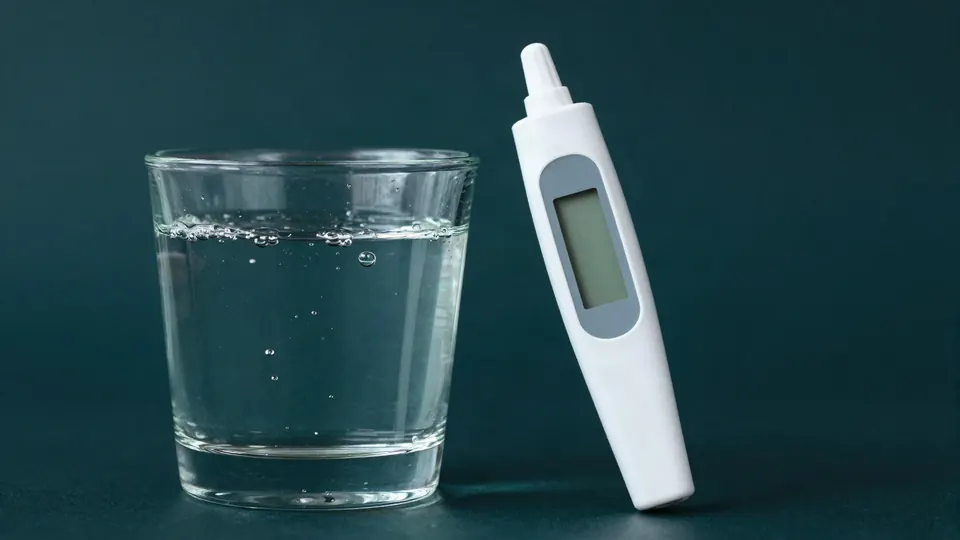
How is TDS measured?
Home TDS meters measure the electrical conductivity of water and convert it into an amount of dissolved solids. The result is not as precise as a laboratory analysis, but it is good enough to compare two waters and to see whether a water filter is working. When you measure mains water and filtered water separately, the difference between them shows how well the system is performing.
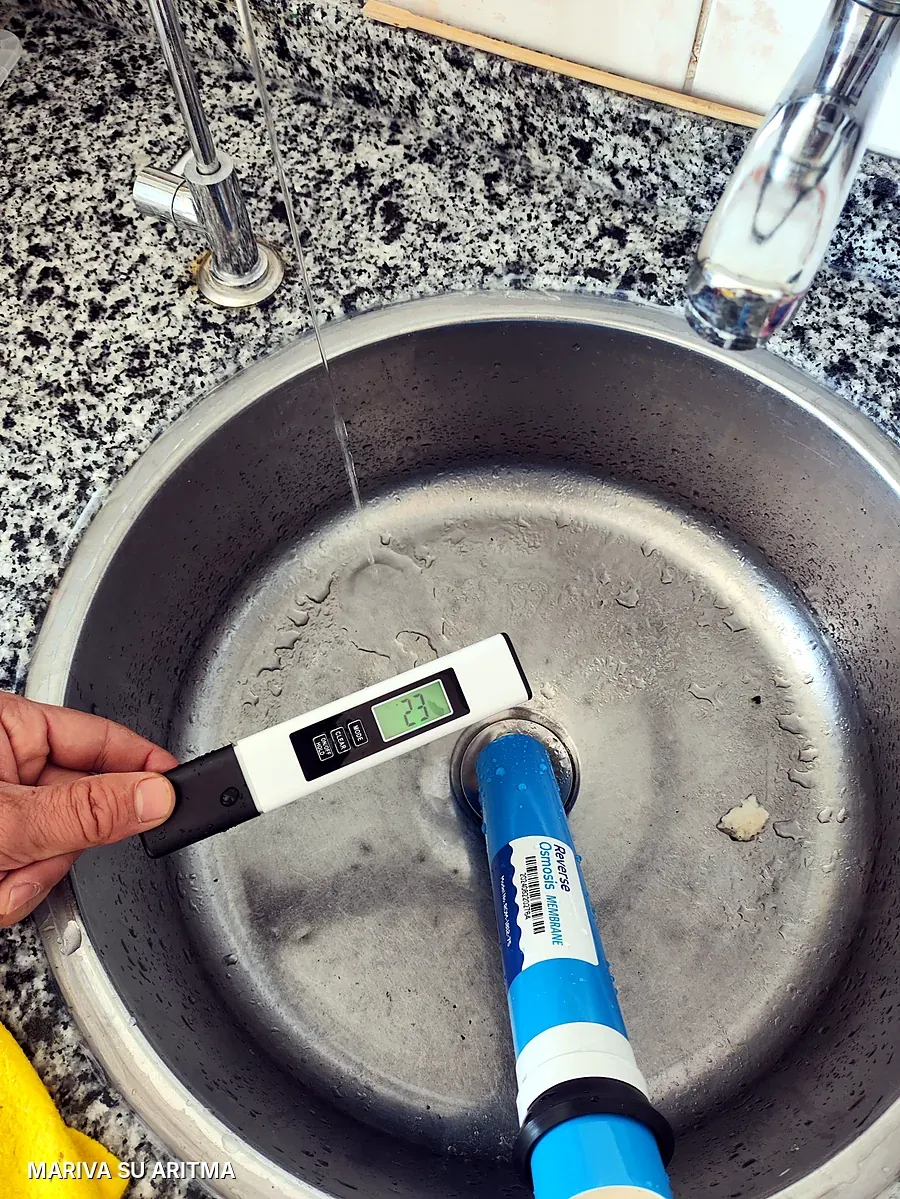
What should the TDS of drinking water be?
The World Health Organization (WHO) does not set a health-based limit for TDS; it treats TDS as a property that affects the taste of water. According to the WHO, water with a TDS below about 600 mg/L is generally considered to taste good, while above 1000 mg/L water becomes increasingly unpalatable.
So it is wrong to call water "safe" because its TDS is low or "dangerous" because it is high. TDS tells you nothing about bacteria, heavy metals or many chemicals. Judging the safety of water requires a laboratory analysis.
The TDS of mains water in Antalya
Antalya's drinking water comes largely from karst springs in limestone. A study around the Kırkgöz springs in Döşemealtı measured groundwater TDS values between 194 and 402 mg/L and classed the water as "fairly hard to hard". The value in your home may differ depending on the source and the supply network. The only way to know for sure is to measure it.
What happens to TDS in filtered water?
A reverse osmosis membrane holds back most dissolved solids, so TDS drops markedly after filtration. With our home systems, filtered water is usually in the 35–60 range. In systems with a mineral or pH+ filter, the value may rise slightly because that filter adds some minerals to the water.
| Water | TDS (mg/L) |
|---|---|
| Filtered water, our home systems | 35–60 |
| Groundwater around Kırkgöz (academic study) | 194–402 |
| WHO: upper value generally considered to taste good | about 600 |
| WHO: value at which taste becomes increasingly poor | above 1000 |
Zero TDS is not the goal
Water with a very low TDS can taste flat or "empty". The aim is not to bring it down to zero but to remove limescale and excess salts so the water is pleasant to drink. That is why some systems add minerals back at the final stage.
What does it mean if TDS rises?
If the TDS of your filtered water starts creeping up over time, the membrane may be worn out. A sudden rise, on the other hand, may point to a connection problem or a damaged filter. Either way, it needs checking. The easiest way to keep an eye on TDS is a system with a display; the MARIVA pH+ Digital shows the value on screen. For systems without a display, we take a reading at each filter replacement.
Sources
More guides
- Can You Drink Tap Water in Antalya?Who checks the mains water, what changes its taste, and how can you get it tested?
- What Is a Membrane Filter and When Should It Be Replaced?How does a reverse osmosis membrane work, what does it remove, why does it wear out and how can you tell it is time to replace it?
- Well Water Treatment: Is Well Water Safe to Drink?Bacteria, nitrate, limescale and iron: first a lab test, then treatment that suits the results.
Have a question?
We offer a free home visit and water test in Antalya. Message us on WhatsApp or give us a call.